
A SPRED charge on a card is an abbreviated billing descriptor, but the wording alone does not identify one verified merchant for every cardholder. Treat the complete statement line—including any phone number, location, amount, and currency—as the identifying clue.
If your statement says SPRED, SPRED CZ, SPRED CZE, EURO SPRED, PURCHASE SPRED, or SPRED +1-844-211-8832 CZE, first compare it with recent online purchases and recurring services. Some cardholders report $9.99 or €9.99 charges, but the amount and descriptor do not by themselves prove which website, subscription, or company billed the card.
If no authorized user recognizes the completed transaction, contact the card issuer promptly using the number on the card or in the issuer’s official app.
What Is the SPRED Charge?
The most accurate answer is that SPRED is an ambiguous statement descriptor. It may be a shortened merchant or product name, or wording associated with an online transaction. ChargeOnMyCard.com did not find an official source that identifies one universal SPRED merchant, product, subscription, cancellation policy, or refund policy.
One useful clue applies when the complete descriptor includes 1-844-211-8832. Web Processing’s public website lists that number for WebProcessing, LLC, and Florida corporate records list an active company with the same name and address. This confirms who publishes the number; it does not prove that WebProcessing initiated every SPRED charge or identify the underlying website or service.
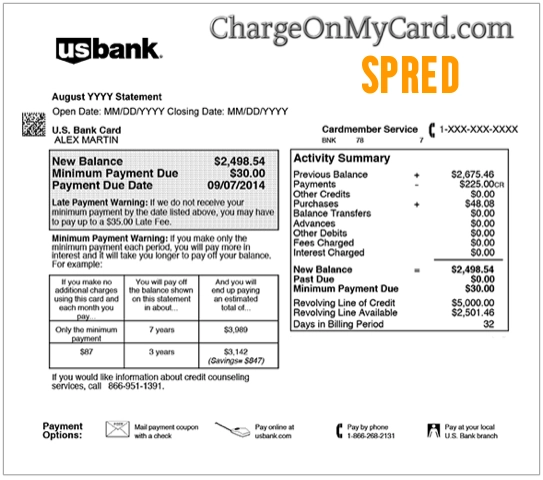
Common SPRED Statement Variations
Banks may capitalize, shorten, join, or truncate merchant wording. Relevant variations found in search and cardholder reports include:
- SPRED
- SP RED
- SPRED charge on card
- SPRED credit card charge
- SPRED charge on debit card
- SPRED bank charge
- SPRED transaction or SPRED payment
- SPRED CZ or SPRED CZE
- EURO SPRED
- PURCHASE SPRED
- SPRED $9.99 or SPRED €9.99
- SPRED +1844211-8832 CZE
A similar name is not proof of the same merchant. Do not assume that an app, website, company, or support page containing the word “Spred” is connected to your transaction unless the receipt or card issuer confirms it.
Why Might SPRED Be Charging Your Card?
A Merchant Name Was Shortened
The bank may show a legal name, billing name, processor-related name, telephone number, or shortened descriptor instead of the brand or website the cardholder remembers. Expanded transaction details may reveal the merchant category, country, recurring-payment indicator, or a longer descriptor.
A Recurring Payment Renewed
A repeating SPRED $9.99 charge or €9.99 charge may be a subscription or membership renewal. That is a reasonable possibility when the issuer marks the payment as recurring, but public reports do not establish one subscription behind every charge.
Another Authorized User Made the Purchase
A spouse, partner, family member, employee, or other authorized card user may recognize the amount or purchase date even when the statement name looks unfamiliar.
The Card Was Used Without Permission
Treat the transaction as potentially unauthorized when no authorized user recognizes it, no receipt or account can be found, and the issuer cannot identify a legitimate purchase. A vague descriptor does not prove fraud, but it should not be ignored.
How to Identify a SPRED Transaction
- Copy the complete descriptor. Record the exact wording, amount, currency, transaction date, posting date, location, and every displayed phone number.
- Check whether it is pending or posted. A pending authorization may disappear, change amount, or update to clearer merchant wording.
- Open expanded transaction details. Look for a merchant category, country, recurring-payment marker, website, wallet indicator, or longer merchant name.
- Search receipts and accounts. Search every email account for SPRED, the exact amount, 844-211-8832, subscription, renewal, receipt, and invoice. Check spam, deleted, and archived folders.
- Review relevant subscriptions and wallets. Check Apple, Google Play, PayPal, and other payment histories only if you use them; do not assume SPRED is an app-store charge without a matching record.
- Ask other authorized users. Compare the amount and date with their online purchases and recurring services.
- Ask the issuer for merchant data. Request the full merchant name, merchant category code, country, telephone number, recurring indicator, transaction method, and any processor information.
- Contact only a verified merchant. Use the contact route on a matching receipt or an official website confirmed by the issuer. Save cancellation, refund, and support records.
If the complete descriptor says SPSTORE GOLD, use the separate SPStore Gold charge guide. Similar search wording does not prove SPSTORE GOLD and SPRED are the same merchant.
How to Cancel or Request a Refund
There is no verified universal cancellation or refund procedure for the SPRED descriptor. Identify the underlying merchant or service before attempting to cancel.
- Find a matching receipt, subscription account, or expanded merchant record.
- Sign in through the verified merchant’s official website or app.
- Cancel recurring billing and complete every confirmation step.
- Ask for written cancellation confirmation and the final billing date.
- Request a refund under the identified merchant’s current policy.
- Keep the receipt, cancellation confirmation, refund promise, and issuer correspondence.
- Monitor the account for the credit and for any later recurring attempt.
A refund for one transaction does not necessarily cancel future billing. If no merchant can be identified or the transaction was never authorized, use the issuer’s dispute process instead of entering card information into an unverified cancellation website.
What to Do If the SPRED Charge Is Unauthorized
- Save a screenshot or statement copy showing the full transaction.
- Lock the card in the issuer’s official app if additional attempts are possible.
- Call the number printed on the card or use the official banking app.
- State that no authorized user recognizes the charge and ask for the issuer’s dispute procedure.
- Ask whether the card number should be replaced and whether recurring attempts can be blocked.
- Review nearby transactions for other unfamiliar charges or small test authorizations.
Credit Card Disputes
The Consumer Financial Protection Bureau’s credit-card dispute guidance says to contact the card company and, to protect federal billing-error rights, send a written billing-error notice within 60 calendar days after the charge appeared on the statement. Follow the issuer’s instructions and keep copies.
Debit Card and Bank-Account Disputes
Debit-card and bank-account rules differ from credit-card rules. Report an unauthorized transaction immediately. The CFPB’s unauthorized bank-transaction guidance explains that reporting deadlines can affect your protections; do not wait for another charge to appear.
Watch Out for Fake SPRED Support and Refund Offers
Unknown-charge searches can attract fake customer-service numbers, impersonators, and refund scams. The Federal Trade Commission warns that scammers can place fake customer-service information in search results.
Do not give an unverified caller or website your full card number, CVV, bank-account number, PIN, password, one-time code, or remote access to a device. Do not pay a fee, buy gift cards, send cryptocurrency, or make another payment to receive a supposed refund. When in doubt, start with the card issuer.
Consumer Reports and Experiences
Two visible reports submitted to this ChargeOnMyCard.com page mention a $9.99 charge. One reviewer thought the payment might have been a tip to an online creator; another described the charge as unauthorized and said the advertised contact numbers were not useful. These are individual, unverified user reports. They do not identify the merchant behind other SPRED transactions.
Other public discussions mention recurring $9.99 or €9.99 transactions and descriptors such as SPRED, EURO SPRED, SPRED CZ, SPRED CZE, and 1-844-211-8832. Those reports show a pattern of consumer confusion, not proof that every charge came from the same seller, subscription, or company.
If you identified a SPRED charge, share the exact public descriptor, general amount, currency, country shown, whether it was recurring, what the issuer disclosed, and whether cancellation, a merchant refund, or a bank dispute resolved it. Do not post card digits, bank-account information, transaction IDs, order numbers, email addresses, phone numbers, addresses, passwords, PINs, CVV codes, or authentication codes.
Frequently Asked Questions
What is a SPRED charge on a card?
It is an ambiguous statement descriptor that does not currently identify one verified merchant for every cardholder. Use the full transaction details, amount, date, currency, and any attached phone number to identify the payment.
What is a SPRED charge on a credit card?
It may be a shortened merchant or product name, a recurring payment, an online purchase, or an unauthorized transaction. The card issuer may be able to provide a longer merchant record.
What is a SPRED CZ charge on a debit card?
SPRED CZ or SPRED CZE may include a country or location clue, but the wording does not identify the seller by itself. Ask the bank for the full merchant country, category, and transaction details, and report it promptly if unauthorized.
Why is SPRED charging $9.99?
Some cardholders report $9.99 or €9.99 recurring payments. The amount may be consistent with a subscription, but it does not reveal the service or prove that two cardholders paid the same merchant.
Is SPRED a subscription?
It may be when the amount repeats and the issuer marks it as recurring. Confirm through a receipt, account history, or issuer data before canceling or disputing it.
Is SPRED +1844211-8832 CZE connected to WebProcessing?
Web Processing’s public website lists 1-844-211-8832 for WebProcessing, LLC. That supports the phone-number connection, but it does not establish which underlying merchant, website, or product created a particular SPRED charge.
Is SPRED the same as 18337823729 or 1-833-782-3729?
No reliable evidence was found that makes those descriptors the same. The number 1-833-782-3729 has a separate historical Zip or Quadpay context; see the dedicated 18337823729 charge guide.
How do I cancel a SPRED charge?
First identify the underlying merchant through a receipt, account, or issuer record. Cancel through that verified provider. If no authorized merchant can be found, contact the issuer and report the charge rather than using an unverified cancellation portal.
Related Charge Guide
If the issuer cannot identify the merchant, follow the broader steps in the unrecognized card and bank charge guide. A related guide is an investigation aid and does not establish that unrelated descriptors belong to the same company.
Disclaimer
ChargeOnMyCard.com is an independent consumer-information website. It is not affiliated with SPRED, WebProcessing, any underlying merchant, a card issuer, or a bank. Descriptor wording and user reports are clues, not proof of the merchant or authorization behind an individual transaction.