
A chase.comn charge on your credit card, debit card, or bank statement can be confusing because chase.comn is not the official Chase website. Chase’s official website is chase.com. If your statement appears to show chase.comn, www.chase.comn, chase comn, or a similar descriptor, it may be a typo, shortened bank descriptor, online bill payment, Chase.com payment, or a different COMN-style payment descriptor being confused with Chase.
Do not type chase.comn into a browser or enter banking information on a lookalike website. Start by checking your bank’s full transaction details, your Chase account, your bill-payment history, and any Comenity/Bread Financial accounts that may use COMN-style wording.
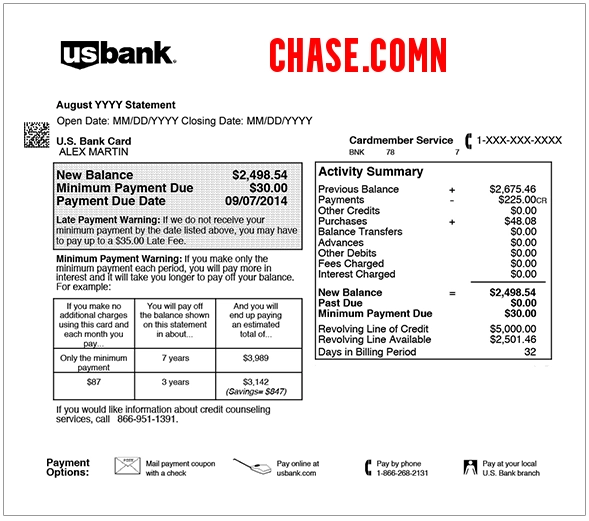
What Is the Chase.comn Charge?
Chase.comn is not a confirmed merchant name by itself. It may be a user-entered or bank-displayed variation of chase.com, or it may involve a separate COMN descriptor that is being mistaken for Chase.
The safest approach is to verify the charge through official channels. If the charge is truly connected to Chase, it may relate to a Chase credit card payment, Chase Online bill pay, an account transfer, an autopay setup, or another Chase account activity. If the descriptor includes COMN, Comenity, Bread Financial, CAP APY, Frontgate, IKEA, Costco, or a store-card name, it may not be Chase at all.
Common Chase.comn and COMN Statement Variations
- chase.comn
- www.chase.comn
- chase comn
- Chase COMN
- Chase.com payment
- Chase online payment
- COMN charge
- COMN CAP APY F1
- Comenity payment
- Comenity Frontgate
- IKEA COMN
- Costco COMN
The exact wording depends on your bank, card issuer, bill-pay system, merchant processor, and whether the transaction is pending or fully posted.
Is Chase.comn an Official Chase Website?
No. The official Chase website is chase.com. If you need to check a Chase account, payment, credit card, checking account, savings account, auto loan, mortgage, or bill-pay activity, go directly to Chase’s official website or use the official Chase Mobile app.
Be careful with lookalike domains. A one-letter difference in a banking website can be a phishing risk. If you receive an email, text, or search result telling you to visit a Chase-looking website that is not chase.com, do not enter your username, password, card number, Social Security number, one-time code, or banking details.
Why Chase.comn May Appear on Your Statement
- You made a Chase credit card payment through Chase.com or the Chase Mobile app.
- You scheduled an online bill payment through Chase Online.
- You paid a Chase loan, credit card, mortgage, or other account.
- Your bank shortened or reformatted chase.com in a confusing way.
- You mistyped or misread chase.com as chase.comn.
- The descriptor is actually related to COMN, Comenity, Bread Financial, or a store-card payment.
- A spouse, family member, employee, bookkeeper, or authorized user made a payment.
- Your account or card information may have been used without permission.
Could Chase.comn Be a Comenity or Bread Financial Payment?
Possibly, depending on the full descriptor. COMN often appears in discussions of confusing bank-statement wording, and Comenity/Bread Financial issues and manages many store credit cards. But Chase and Comenity/Bread Financial are separate financial companies, so you should not assume a COMN descriptor is Chase just because the word Chase appears nearby or because an old note on a statement is unclear.
If your statement includes store-card wording, Comenity, Bread Financial, COMN CAP APY F1, Frontgate, IKEA, Costco, or another retailer, check your Comenity/Bread account or call the customer service number on the back of that card or on the statement.
Chase.com Payment or Online Bill Pay
If the descriptor is related to Chase, it may come from an online payment. Chase allows customers to manage accounts, view statements, monitor activity, pay bills, transfer funds, and schedule credit card payments through Chase Online or the Chase Mobile app.
Check whether you recently scheduled a payment, set up autopay, paid a Chase credit card, paid another company using Chase Online Bill Pay, transferred funds, or made a payment from a linked bank account.
How to Verify a Chase.comn Charge
- Do not visit chase.comn or any lookalike banking domain.
- Go directly to chase.com or open the official Chase Mobile app.
- Check recent Chase credit card payments, bill payments, transfers, and autopay activity.
- Open the full transaction details in your bank or card app.
- Look for the full merchant name, phone number, category, payment method, and whether the transaction is ACH, debit, credit, online, or recurring.
- Search your email for Chase, chase.com, bill pay, payment confirmation, autopay, Comenity, Bread Financial, COMN, or the exact amount charged.
- Ask authorized users, family members, employees, or bookkeepers whether they made a payment.
- If the descriptor appears to be Comenity or Bread Financial, check the store-card account connected to the charge.
- If no one recognizes the transaction, contact your bank or card issuer.
Official Chase Support and Safety Links
- Chase Official Website: chase.com
- Chase Customer Service: Chase customer service
- Chase Credit Card Payments: Chase credit card payment options
- Chase Online Bill Pay: Chase online bill pay
- Chase Report Fraud: Report fraud to Chase
- Chase Dispute Help: Disputing a Chase credit card charge
- Report Suspicious Chase Emails: phishing@chase.com
Comenity and Bread Financial Support
- Bread Financial Help Center: Bread Financial Help Center
- Find a Comenity/Bread Card Account: Find your credit card account
- Comenity Mastercard Account Center: Comenity Mastercard Account Center
- Comenity Payment Help: Comenity payment help
What To Do If It Was a Legitimate Payment
If the charge matches a Chase payment, bill payment, or Comenity/Bread store-card payment, save the confirmation number, payment date, account name, amount, and statement details. If the payment was made from the wrong account or for the wrong amount, contact the financial institution or card issuer as soon as possible.
If it was an autopay or recurring bill-pay transaction, review your automatic payment settings so the same payment does not surprise you again next month.
What To Do If You Do Not Recognize the Charge
- Lock the card or account if your bank offers that option and the charge looks suspicious.
- Contact your bank or card issuer using the phone number on the back of your card.
- Ask whether the transaction is pending or posted.
- Ask for the full merchant descriptor, ACH details, payment category, and whether it was recurring.
- Check whether a bill-pay, autopay, or store-card payment was created without your knowledge.
- If unauthorized, ask whether to replace the card, block future transactions, and dispute the charge.
- Forward suspicious Chase-looking emails to phishing@chase.com.
Watch Out for Chase Lookalike Scams
Be careful with emails, texts, calls, or search ads that use Chase-looking names or websites. Chase warns customers about phishing and says suspicious emails pretending to be from Chase can be forwarded to phishing@chase.com.
Do not provide your Chase username, password, one-time passcode, Social Security number, full card number, PIN, or online banking login to anyone who contacts you unexpectedly. If you are unsure, go directly to chase.com or use the official Chase app.
Could the Chase.comn Charge Be Fraud?
A chase.comn charge is not automatically fraud, but it should be reviewed carefully because chase.comn is not Chase’s official website. It may be a typo, a bank formatting issue, an online Chase payment, a COMN/Comenity-style descriptor, or an unauthorized transaction.
If you cannot match it to a Chase payment, bill-pay transaction, Comenity/Bread account, or authorized user, contact your bank or card issuer immediately.
Frequently Asked Questions About Chase.comn Charges
What is chase.comn on my bank statement?
Chase.comn on a bank statement may be a typo, shortened descriptor, Chase.com payment, online bill payment, or a different COMN-style payment descriptor. It is not the official Chase website, so verify through your bank, Chase account, or card issuer.
Is chase.comn the same as chase.com?
No. chase.com is Chase’s official website. chase.comn appears to be a typo or confusing descriptor and should not be used as a login website.
What does COMN mean on a bank statement?
COMN may appear in payment descriptors connected to certain card payments or store-card accounts, including Comenity/Bread Financial contexts. It does not automatically mean Chase. Check the full descriptor and account history.
Could chase.comn be a Chase credit card payment?
It could be related to a Chase payment if the amount and date match your Chase credit card, loan, bill pay, or transfer activity. Verify by logging in directly at Chase’s official site or app.
Could chase.comn be a Comenity payment?
Possibly, if the full descriptor includes COMN, Comenity, Bread Financial, a store-card name, or a retailer. Chase and Comenity are separate, so check the card issuer and full statement details.
Should I dispute a chase.comn charge?
First try to identify it through your bank, Chase account, bill-pay history, and any Comenity/Bread accounts. If no authorized user recognizes it and the institution cannot match it to a legitimate payment, contact your card issuer about a dispute.
Is chase.comn fraud?
Not automatically, but it is suspicious as a website because it is not Chase’s official domain. Treat it carefully, do not enter login details on lookalike sites, and contact your bank if the transaction is unfamiliar.
Related Bank, Credit Card, and Payment Descriptor Guides
- Comenity Pay OH Web PYMT ID Charge
- BAC Privacy Assist identity-protection charge
- PNP BILLPAYMENT Charge on Bank Statement
- PGANDE WEB ONLINE Charge on Credit Card or Bank Statement
- ProBiller Charge on Credit Card
- Klarna Charge on Credit Card
Help Other Cardholders Identify This Charge
If you saw a chase.comn, www.chase.comn, chase comn, COMN, or similar charge on your credit card, debit card, or bank statement, please share your experience in the comments. Helpful details include the exact descriptor, amount, whether it was Chase, Comenity, Bread Financial, bill pay, autopay, a store card, or unauthorized use, and how you confirmed it. Do not post full card numbers, bank account numbers, passwords, PINs, one-time codes, Social Security numbers, or personal contact information.
Why Rely on ChargeOnMyCard.com?
ChargeOnMyCard.com helps consumers identify confusing credit-card, debit-card, ACH, and bank-statement descriptors by researching merchant names, bank payment wording, credit card issuers, bill-pay clues, subscription patterns, payment processors, and official support options when available. Our goal is to help cardholders determine whether a charge is likely legitimate, mistaken, recurring, or potentially unauthorized.
Disclaimer
ChargeOnMyCard.com is not affiliated with Chase, JPMorgan Chase Bank, N.A., JPMorgan Chase & Co., Comenity Bank, Comenity Capital Bank, Bread Financial, any retailer, payment processor, bank, or card issuer. This page is for informational purposes only and should not be treated as financial, legal, banking, credit, or cybersecurity advice. If you believe a charge is unauthorized, contact your bank or credit card issuer directly.