
If you see a CLEAVITZ charge, Cleavitz charge on debit card, or Cleavitz charge on credit card, it may be tied to an older fashion-related merchant name, an online clothing purchase, a payment processor descriptor, or an unauthorized card transaction. Because current official Cleavitz contact information is difficult to verify, treat the charge carefully if you do not recognize it.
Consumer Reports and Experiences
Consumers often search for what is Cleavitz on bank statement, Cleavitz charge, Cleavitz charge on debit card, Cleavitz charge on credit card, Cleavitz fraud, Cleavitz transaction, and Cleavitz company after seeing an unfamiliar card or bank charge.
Some readers report that the descriptor appears as a retail, clothing, online shopping, or card-not-present transaction. Others search for it because they do not remember buying anything from a company called Cleavitz and are concerned the transaction may be fraud.
The key issue is that Cleavitz appears to have been a real fashion-related product name in the past, but current official customer-service and website information is not easy to confirm. If you cannot connect the amount and date to a purchase you made, contact your card issuer right away.
What Is the CLEAVITZ Charge?
The CLEAVITZ charge may be connected to a fashion or clothing-related merchant descriptor. Older public references describe Cleavitz as a clothing accessory or half-top product designed for coverage under low-cut tops. However, the current active business status, website, and merchant contact route are unclear.
Because of that, this descriptor should not be treated the same way as an active brand with verified billing support. If your statement shows CLEAVITZ and you do not remember a purchase, you should verify the charge through your bank or credit card issuer rather than relying on outdated contact information from old web listings.
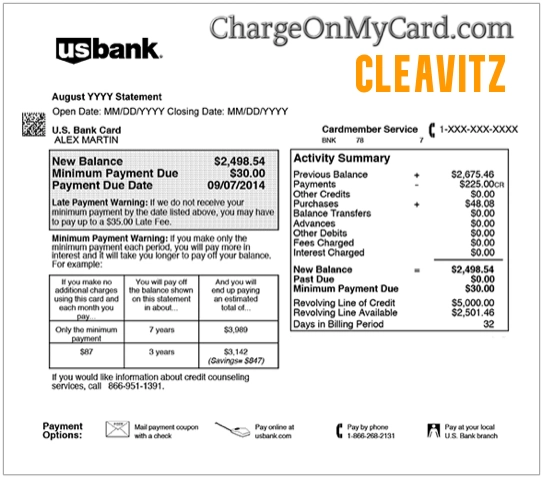
Why Cleavitz May Appear on Your Statement
- Online clothing purchase: You or someone with access to your card may have purchased clothing, accessories, or fashion-related products.
- Older merchant descriptor: The charge may reflect an older or inactive merchant name used by a processor.
- Payment processor mismatch: Your statement may show Cleavitz even if the checkout page used a different store name.
- Shared card use: A family member, spouse, employee, or authorized user may have made the purchase.
- Trial or subscription-style billing: If the charge repeats, investigate whether it is connected to an online shopping club, membership, or recurring merchant account.
- Unauthorized card use: If no one recognizes the transaction, treat it as suspicious and contact your card issuer immediately.
Common Cleavitz Statement Variations
The exact wording can vary by bank, card network, payment processor, and merchant record. Possible statement variations include:
- CLEAVITZ
- CLEAVITZ CHARGE
- CLEAVITZ TRANSACTION
- CLEAVITZ COMPANY
- CLEAVITZ CHARGE ON DEBIT CARD
- CLEAVITZ CHARGE ON CREDIT CARD
- CLEAVITZ ON BANK STATEMENT
- CLEAVITZ FASHION
- CLEAVITZ.COM
- 18337823729
- 1-833-782-3729
What Does 18337823729 Mean?
The number 18337823729 may appear as a phone-style descriptor or merchant-support number on some statements or search results. Do not assume it is safe or official without verification. Ask your card issuer for the full merchant record and compare any phone number on your statement with the issuer’s merchant details.
If you call any number connected to an unfamiliar charge, do not share your full card number, online banking password, one-time security code, Social Security number, or debit card PIN.
Is Cleavitz a Real Company?
Cleavitz appears to have been a real fashion product and business in older public references. Older coverage described it as a clothing accessory or half-top product, and older press materials referenced a patented design. However, ChargeOnMyCard.com did not find a reliable current official Cleavitz website or active customer-service page for billing help.
This means an old Cleavitz purchase may be possible, but a new unfamiliar Cleavitz charge should be verified carefully. If the transaction is recent and you do not recognize it, do not assume it is legitimate.
How To Identify the Cleavitz Charge
Before disputing the charge, try to match it to a real purchase or merchant record.
- Check the date and amount: Compare the charge to recent online shopping, clothing, accessory, or boutique purchases.
- Search your email: Look for “Cleavitz,” “order confirmation,” “clothing,” “fashion,” “receipt,” “tracking,” and the exact charge amount.
- Check payment apps: Review PayPal, Cash App, Venmo, Apple Pay, Google Pay, and Shop Pay history if you use them.
- Ask authorized users: A household member or employee may have made the purchase.
- Look for repeat billing: Check prior statements for more Cleavitz charges or similar amounts.
- Ask your bank for merchant details: Request the merchant name, phone number, address, merchant category, payment processor, and transaction ID.
What To Do If You Do Not Recognize the Cleavitz Charge
If you cannot match the Cleavitz charge to a purchase, act quickly.
- Contact your bank or card issuer using the number on the back of your card.
- Ask whether the charge was card-present, online, recurring, or manually entered.
- Ask for the full merchant record and transaction details.
- Dispute the charge if no one authorized it.
- Ask whether future charges from the same merchant can be blocked.
- Request a replacement card if your issuer believes your card number was compromised.
- Monitor your account for additional unfamiliar transactions.
Credit Card vs. Debit Card: Why Timing Matters
If the Cleavitz charge is on a credit card, you can usually dispute the billing error or unauthorized charge through your card issuer. If it is on a debit card, the money may already be withdrawn from your bank account, so you should contact your bank as soon as possible.
For debit card issues, ask your bank about provisional credit, unauthorized electronic funds transfer rules, and whether the card or account needs to be protected from future transactions.
Cleavitz Fraud Warning
Many people search for Cleavitz fraud because they do not recognize the descriptor. The charge may still be explainable, but it deserves attention if:
- You never purchased from Cleavitz or a similar clothing site.
- The website or merchant cannot be found.
- The charge repeats monthly or appears more than once.
- The amount is larger than a normal clothing or accessory purchase.
- Your bank cannot provide clear merchant details.
- Other unfamiliar charges appear around the same time.
Do not contact random “recovery” services or websites that claim they can reverse the charge for a fee. Use your bank, card issuer, and official dispute channels.
Should You Contact Cleavitz?
Because no reliable current official Cleavitz billing contact was confirmed, your card issuer is usually the safest first contact. If your bank provides a merchant phone number, website, or address tied to the transaction, use that information carefully and keep notes of any call or email.
Do not rely on outdated contact details that appear to belong to unrelated businesses. The older Altaquip information previously listed on this page should not be used for Cleavitz billing questions unless your bank specifically confirms it is connected to your transaction.
How To Request a Refund or Chargeback
If you recognize the purchase but did not receive the product, received the wrong item, were double charged, or were billed after canceling, you may be able to request a refund or dispute the transaction.
- Gather the statement descriptor, amount, date, and payment method.
- Save any receipt, tracking number, email, text, or website screenshot.
- Ask your bank for the merchant details behind the charge.
- Try the merchant contact route your bank provides, if available.
- If the merchant cannot be reached or will not help, start a dispute with your bank or card issuer.
- Keep copies of all emails, phone notes, screenshots, and dispute confirmations.
Is the Cleavitz Charge a Scam?
ChargeOnMyCard.com cannot confirm that every Cleavitz charge is a scam. The Cleavitz name appears in older fashion-product references, so some charges may be connected to a real purchase or old merchant descriptor.
However, because current official contact and website information is unclear, any unfamiliar Cleavitz charge should be treated with caution. If you did not authorize the transaction, dispute it with your card issuer and ask whether your card should be replaced.
Frequently Asked Questions
What is Cleavitz on my bank statement?
Cleavitz on a bank statement may be a fashion, clothing, online retail, or merchant-processor descriptor. If you do not recognize the charge, ask your bank for the full merchant record and dispute it if unauthorized.
What is Cleavitz charge on debit card?
A Cleavitz charge on a debit card may mean your debit card was used for an online or retail transaction under the Cleavitz descriptor. Because debit card funds leave your bank account quickly, contact your bank promptly if you do not recognize it.
Is Cleavitz a legitimate company?
Older public references suggest Cleavitz was a real fashion-related business or product. However, current official billing contact information is difficult to verify, so recent unfamiliar charges should be reviewed carefully.
What should I do if I see Cleavitz fraud?
Contact your card issuer using the number on the back of your card, request merchant details, dispute unauthorized charges, ask about card replacement, and monitor your account for additional suspicious transactions.
What is 18337823729?
18337823729 may be a phone-style descriptor or number associated with the charge in some searches. Do not assume it is official. Ask your bank whether that number is part of the merchant record.
Can I get a refund for a Cleavitz charge?
If you can identify the merchant and the charge was for a legitimate order issue, try the merchant first. If the merchant cannot be reached, the item was not received, or the charge was unauthorized, ask your bank or card issuer about a dispute or chargeback.
Should I replace my card?
If the charge was unauthorized, if more unknown charges appear, or if your issuer believes your card number was compromised, replacing the card may be the safest option.
Related Credit Card and Bank Charges
Online retail, app, address-based, and unknown merchant descriptors can be confusing because statements may show an old merchant name, payment processor, phone number, or unrelated-looking billing descriptor.
- Altaquip Charge
- CNSC Bank Card Charge
- Dingshang Co Ltd Charge
- Clemz Charge
- Meta PPGF Charge
- Google Enerjoy Charge on Credit Card
- T5C1HB8RM5BJRC6 Cleo AI Charge
Why Trust ChargeOnMyCard.com?
ChargeOnMyCard.com helps consumers research confusing credit card, debit card, ACH, online retail, and bank-statement descriptors using available company information, official resources, payment clues, and reports from cardholders. When a merchant is unclear or difficult to verify, we focus on practical steps that help readers identify the charge, document the issue, request a refund, dispute unauthorized charges, and protect their accounts.
Share Your Experience
Have you seen a CLEAVITZ, Cleavitz charge, Cleavitz debit card charge, Cleavitz fraud, or 18337823729 transaction on your bank statement? Please share the exact descriptor, amount, date, whether you recognized the merchant, and how you resolved it. Your report may help another reader identify a legitimate purchase, refund issue, or unauthorized charge.
Disclaimer
ChargeOnMyCard.com is an independent consumer information website and is not affiliated with Cleavitz, any former Cleavitz business, Altaquip, any payment processor, or any company mentioned. Information is provided for educational purposes only. Always verify unfamiliar charges directly with the merchant shown on your transaction record, your bank, or your card issuer before taking action.